In the world of premium Japanese matcha, the timing of the harvest is the single most defining factor of quality. At Rikyu Matcha Company, we believe understanding the distinction between First Harvest (Ichibancha) and Second Harvest (Nibancha) is essential for selecting the right profile for your brand.
Two Seasons, Two Profiles
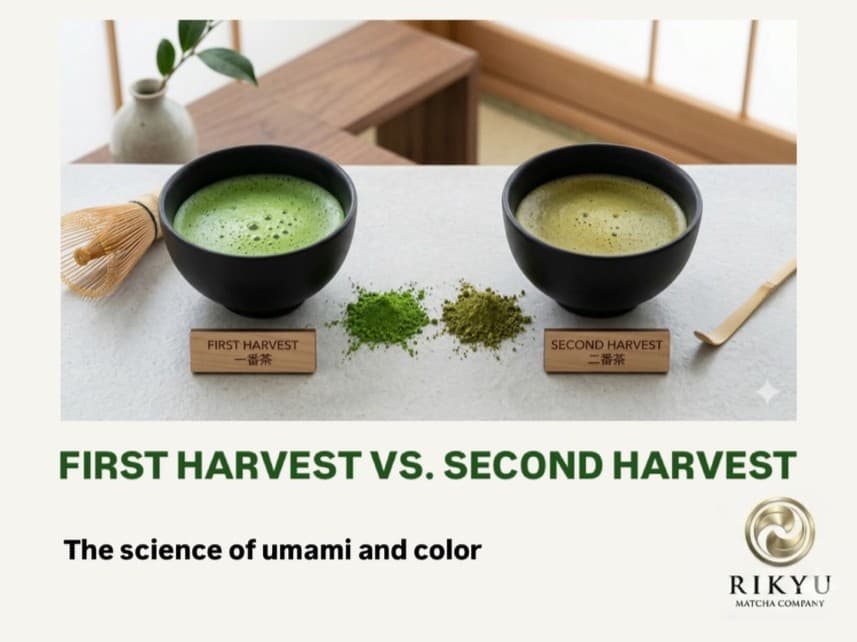
First Harvest (Ichibancha): The Pinnacle of Umami
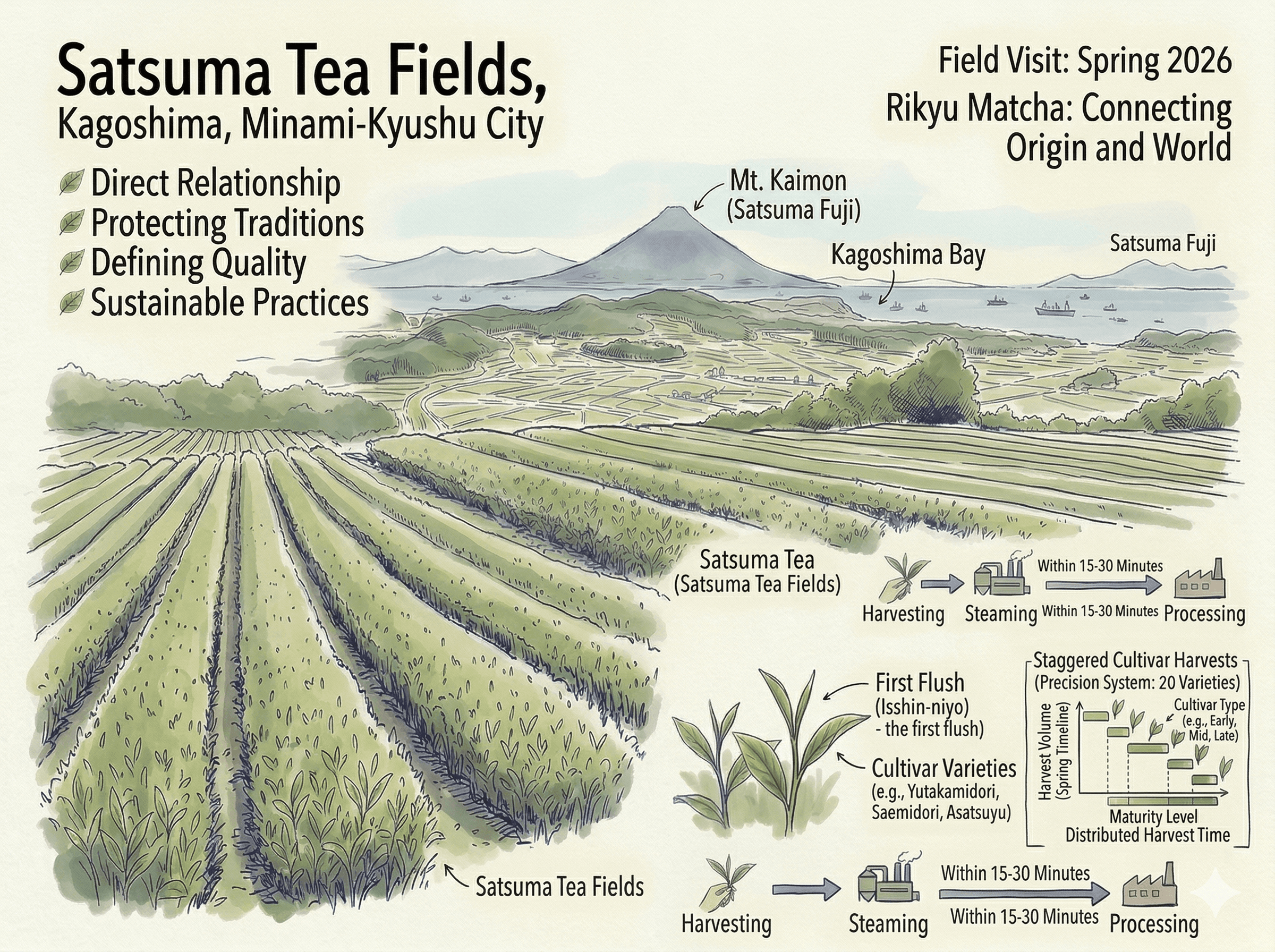
Harvested from late April to May, the First Harvest consists of the very first young buds that have overwintered, slowly accumulating nutrients.
Characteristics:
Rich L-Theanine Content: High levels of amino acids create a deep, mellow umami and natural sweetness.
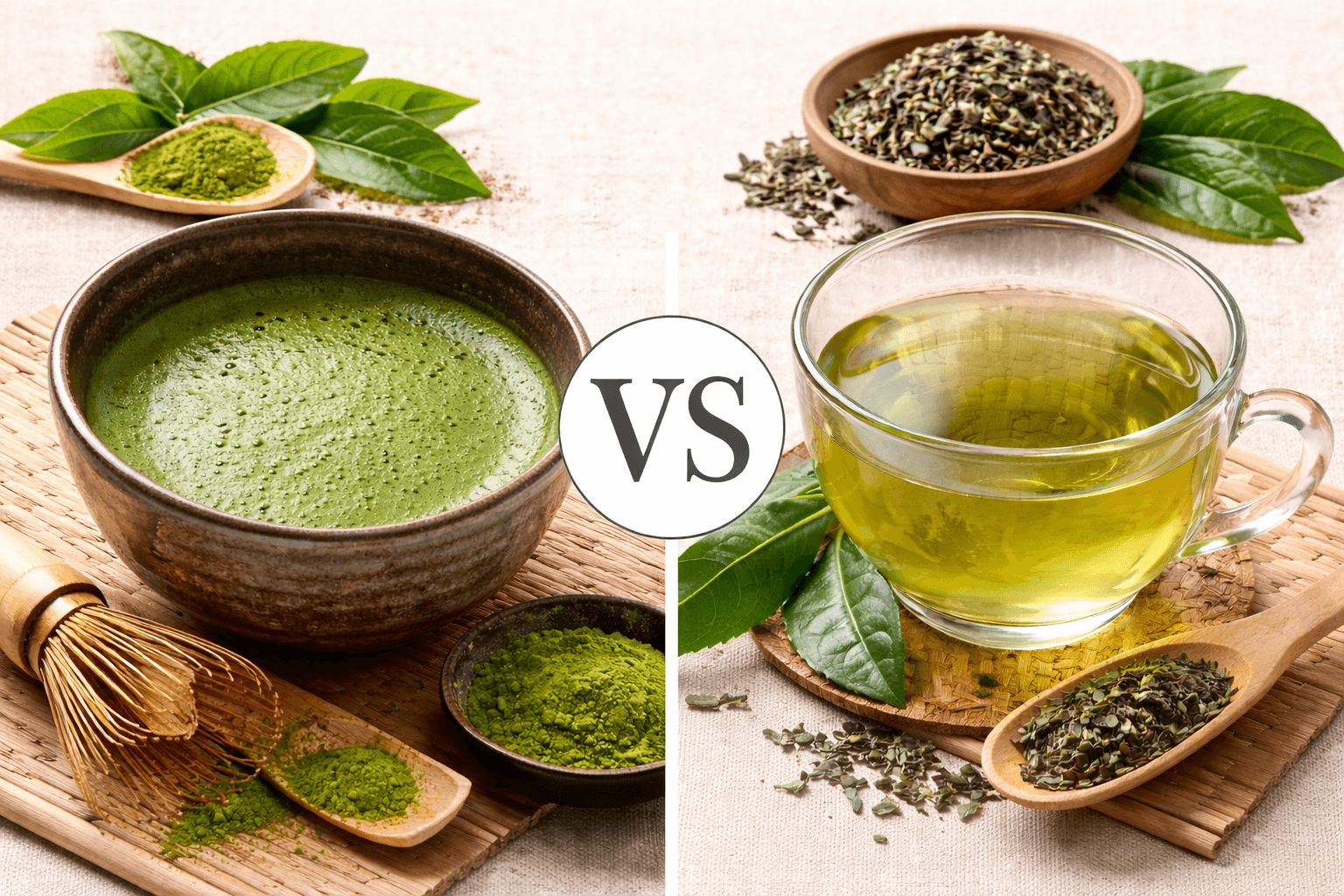
Vibrant Jade Green: High chlorophyll content results in a brilliant, electric green hue.
Silky Texture: The leaves are tender, resulting in an ultra-fine powder that feels creamy on the palate.
The Spirit of First Harvest: This is the "Ceremonial" standard. It represents the purest expression of the tea plant’s energy and the artisan’s skill in shade-growing (Tana-kabu) techniques.
Second Harvest (Nibancha): The Strength of Catechins
Harvested in June to July, about 45–50 days after the first flush. These leaves grow rapidly under the stronger summer sun.
Characteristics:
High Catechin Content: Increased sun exposure transforms amino acids into antioxidants (catechins), leading to a more pronounced bitterness and astringency.
Earthier Tones: The color shifts toward a more yellowish-green or forest green.
Robust Body: The flavor is "stronger" and more punchy, which allows it to stand up against other intense ingredients.
The Utility of Second Harvest: While less suited for drinking plain, its sharp bitterness makes it a functional powerhouse for specific culinary applications.
The Philosophy of Grading: Why Timing Matters
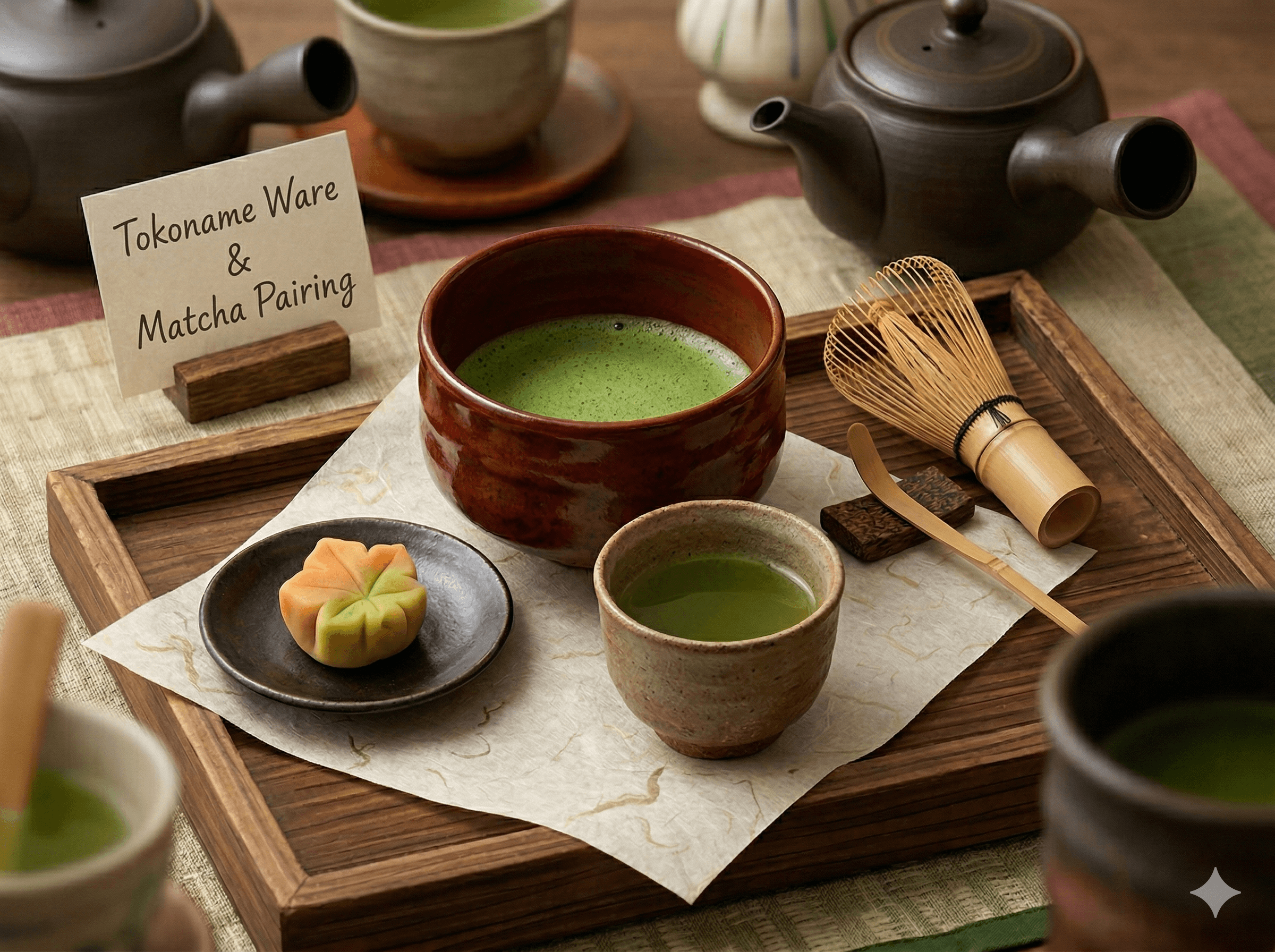
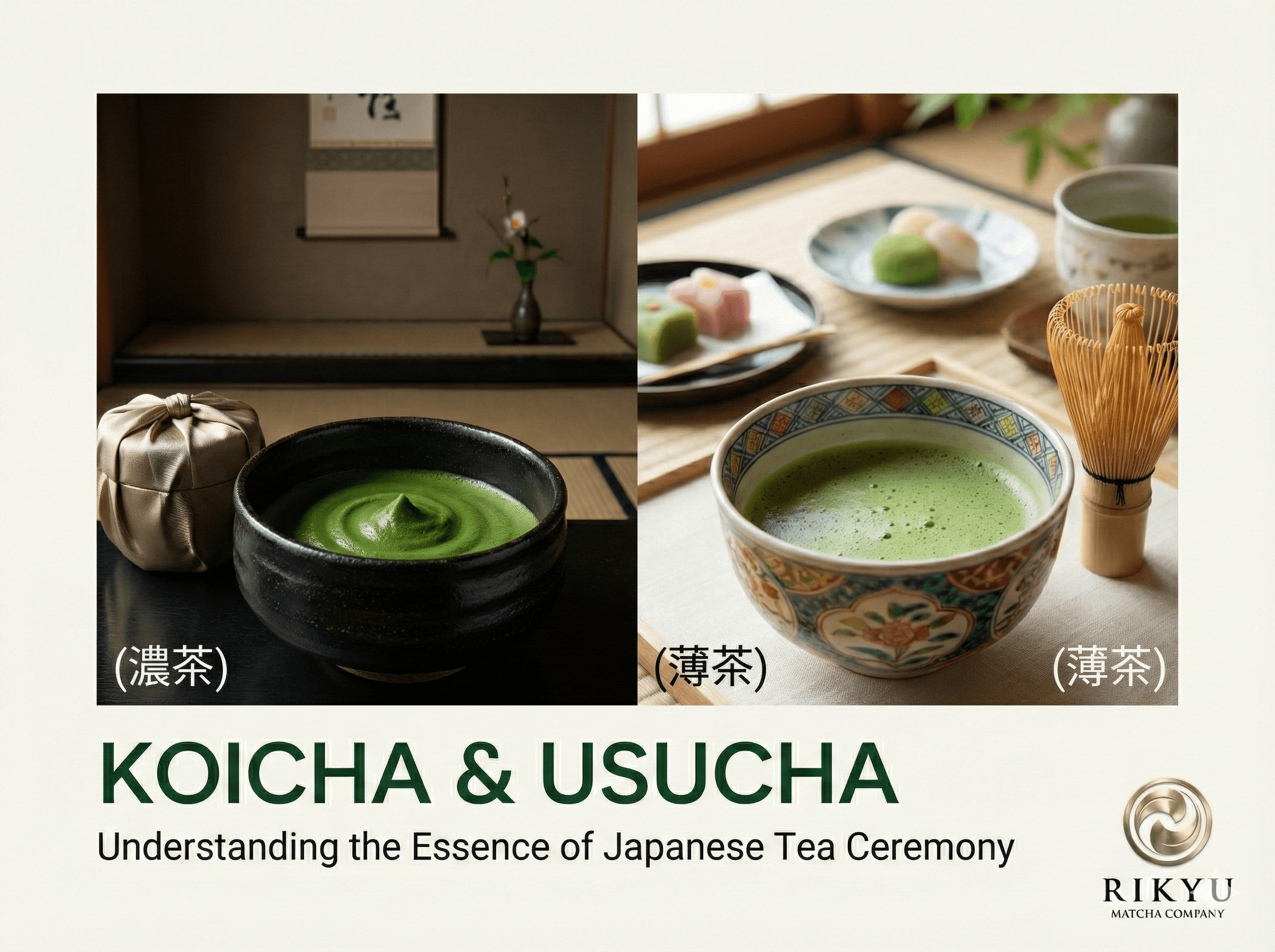
Rikyu Matcha Company does not view one as "superior" in a vacuum; rather, we classify them by "Optimal Application." Just as the tea ceremony distinguishes between Koicha and Usucha, modern business must distinguish between a delicate latte and a baked confection.
For Pure Enjoyment & Premium Lattes: We exclusively recommend First Harvest. The lack of bitterness ensures a smooth experience where the matcha is the protagonist.
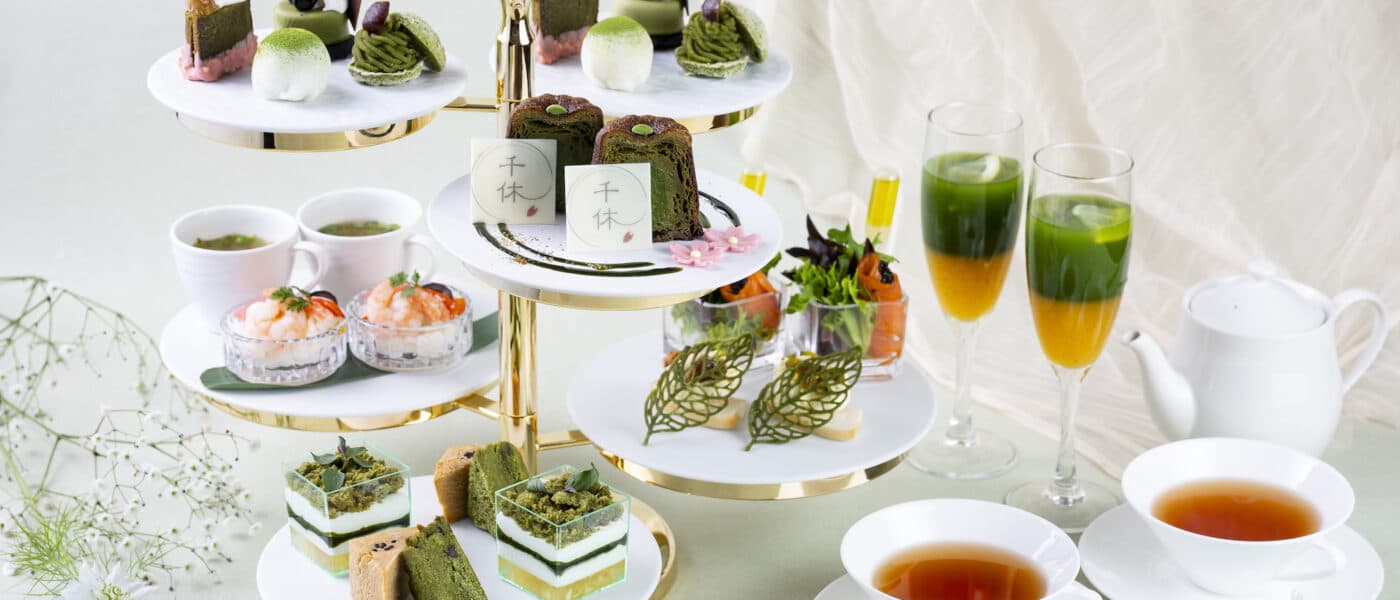
For Culinary & Industrial Use: Second Harvest (or a strategic blend) is often preferred. Its natural bitterness ensures the "Matcha identity" isn't lost when mixed with heavy cream, sugar, or high-heat baking processes.
First Harvest Commitment
For our "Premium" and "Ceremonial" lines, Rikyu Matcha Company maintains a strict First-Harvest-Only policy.
By sourcing only the spring buds from our partners in Uji, Shizuoka, and Kagoshima, we ensure that your customers experience the profound "Umami" that defines authentic Japanese tea culture. Using Second Harvest for a premium beverage would be a compromise on the spiritual and sensory depth we promise to deliver.
Choosing the Right Harvest for Your Brand
Selecting the harvest is about balancing flavor intensity with cost-performance.
Does your brand value the vibrant green aesthetic and sweet aftertaste? Choose First Harvest.
Does your product require a bold, sharp tea flavor that cuts through dark chocolate or butter? Second Harvest may be your ally.
At Rikyu Matcha Company, we provide the bilingual expertise and regional sourcing to help you navigate these seasonal nuances, ensuring every tin of matcha tells the right story for your product.